
“And the man and his wife were both naked and were not ashamed.” Genesis 2:25
Genesis chapters one and two are unique to the rest of Scripture in that we read about God’s original intent. Sin has not entered the world. Adam and Eve were completely known and fully loved. There was no fear, no insecurities, and no unmet longings. Adam and Eve experienced pure connection with God and one another. Once they disobeyed, sin entered the world and fractured their relationship with God and each other. Shame was now introduced and created in man a propensity to hide—hide our thoughts, our emotions, and with that a posture that becomes defensive when anyone attempts to peel back the facade.
That same dynamic still plays out in marriages today. Shame tells us to withdraw, to avoid hard conversations, to protect ourselves rather than pursue each other. It makes us defensive and silent. Shame thrives in isolation and in keeping people at arm’s distance, but healing comes through connection.
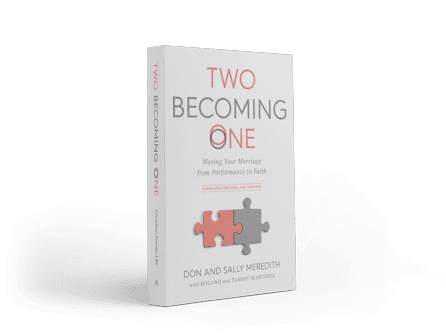
Dr. Curt Thompson, in his book The Soul of Shame, calls shame “the emotional weapon the enemy uses to disconnect us.” He reminds us that the antidote isn’t performance or pride but vulnerability and grace. When we expose our failures, fears, and insecurities—first before God and then before our spouse—shame loses its power. I couldn’t help but be reminded of the thread that runs through the primary message of Two Becoming One, moving marriages from performance to faith.
Marriage was designed to be one of the most powerful places where God rewrites our story. Every time we choose honesty over hiding, empathy over accusation, and forgiveness over fear, we reflect the gospel. Our union becomes a living testimony of what grace can do in two imperfect people who keep showing up for one another.
“And the man and his wife were both naked and were not ashamed.” Genesis 2:25
Genesis 1 and 2 provide a glimpse of God’s original design—life and love untouched by sin. Adam and Eve lived completely known and fully loved. No fear. No insecurity. No unmet longing. They enjoyed an unhindered connection with God and with each other.
Then disobedience shattered that harmony. Sin entered, and with it came shame, the great divider. Suddenly, they hid—not just from God but from one another. Humanity’s natural response ever since has been the same: to hide our thoughts, our emotions, our true selves, while adopting a defensive posture whenever anyone dares to peel back the façade.
That same pattern still seeps into marriages today. Shame tells us to withdraw instead of engage, to protect instead of pursue. It convinces us that distance feels safer than honesty. It thrives in isolation, building invisible walls between two people called to oneness. But healing happens only through connection.
Dr. Curt Thompson, in The Soul of Shame, calls shame “the emotional weapon the enemy uses to disconnect us.” The antidote isn’t found in performance or pride; it’s found in vulnerability and grace. When we expose our fears, failures, and insecurities—first before God and then before our spouse—shame loses its power.
That truth echoes the heartbeat of Two Becoming One: moving our marriages from performance to faith. Faith invites transparency. Faith replaces fear with freedom. Faith empowers us to trust God’s design for intimacy and to believe that grace still redeems what sin once fractured.
Marriage was never meant to be a hiding place; it’s meant to be a healing place. Every time we choose honesty over hiding, understanding over contempt, and forgiveness over fear, we tell the world a powerful story. It’s this: God’s love and forgiveness are the only way to make shame impotent and experience relationships the way God intended.
Two imperfect people continually choosing to be naked and unashamed—spiritually, emotionally, and physically—will create a marriage that mirrors God’s original design. When vulnerability replaces hiding, the marriage relationship becomes a place of healing rather than perpetuating shame. Let’s change the narrative of the enemy and allow God to bring the oneness in your marriage it was intended to experience.